ICOM IC-A25N Handheld NAV/COM Transceiver w/ Bluetooth – Open Box: Professional Aviation Backup Radio
ICOM IC-A25N Handheld NAV/COM Transceiver w/ Bluetooth – Open Box: Professional Aviation Backup Radio
Blog Article
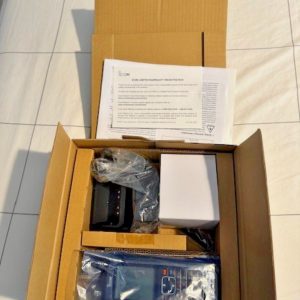
:::writingvariant="document" id="58314" ICOM IC-A25N Handheld NAV/COM Transceiver w/ Bluetooth – Open Box: Professional Aviation Backup Radio The ICOM IC-A25N Handheld NAV/COM Transceiver w/ Bluetooth – Open Box is a versatile communication and navigation device for pilots, flight instructors, aircraft operators, aviation students, and ground personnel who require dependable portable radio capability. An open-box unit can provide excellent commercial value when the radio, battery, antenna, charger, documentation, and included accessories remain complete and in suitable condition. A dependable ICOM IC-A25N Handheld NAV can become an important part of a pilot’s flight bag by providing portable communication capability whenever installed aircraft equipment is unavailable. A capable ICOM IC-A25N Aviation Radio can provide additional confidence during flights, training activities, maintenance events, and ground operations. An ICOM IC-A25N Handheld Radio offers mobility that panel-mounted equipment cannot provide, allowing users to communicate from the aircraft, ramp, hangar, more info or operations area. The Handheld NAV/COM Aviation Transceiver format offers useful flexibility to pilots who want one compact tool for several operational requirements. Whether the intended use involves a Handheld Aviation Radio, Aviation NAV/COM Radio, Pilot Handheld Radio, or Aircraft Communication Radio, dependable battery and antenna performance remain important. As an Aviation Communication Device, the radio can provide portable support for cockpit, training, emergency, and ground environments.
Why Pilots Choose the ICOM IC-A25N Handheld Radio
The radio’s portable construction allows it to support aircraft operations before departure, during flight, after landing, or while personnel are working around the airport. The device may help pilots reduce equipment clutter by integrating several useful capabilities into one flight-bag-friendly radio. A handheld radio can provide valuable support, but performance may depend on antenna position, aircraft structure, terrain, distance, interference, battery condition, and operating environment. A backup radio provides greater value when the pilot has already practiced frequency selection, volume adjustment, navigation functions, Bluetooth setup, and battery management.ICOM IC-A25N Handheld NAV Features
The navigation-oriented functions can complement normal cockpit planning when used within their intended purpose and understood limitations. Flight schools can use portable radios to support classroom discussions, ramp communication, operational demonstrations, and backup planning. Users should understand which functions are intended for reference, communication, navigation support, training, or emergency use. Responsible operation includes checking settings, frequency steps, stored information, battery capacity, antenna security, and any paired accessories before departure.Choosing an ICOM IC-A25N Aviation Radio
The handheld unit can support operations during aircraft maintenance, ramp movement, hangar work, or other situations where installed radios are not easily accessible. Flight instructors can use the device as supplemental equipment during ground lessons, aircraft walkarounds, and selected training exercises. An open-box product should be evaluated carefully even when it appears unused or lightly handled. A functional demonstration can confirm that the radio powers on, accepts charging, responds to controls, displays information, produces audio, and recognizes included equipment.ICOM IC-A25N Handheld Radio Portability
The handheld format allows the radio to move with the pilot between personal, rental, training, business, and club aircraft. Responsible storage preserves physical condition and improves the likelihood that the radio will function correctly when needed. Preflight preparation may include charging, accessory inspection, Bluetooth pairing, memory review, antenna attachment, and volume adjustment. Proper storage temperature and periodic charging can help preserve long-term battery and equipment performance.Maintaining a Handheld NAV/COM Aviation Transceiver
A NAV/COM transceiver can support normal operations, training, backup planning, aircraft delivery, and selected ground activities. Users should consider how frequently the radio will be carried, whether Bluetooth is required, and which accessories are needed for their aircraft or headset. The radio should be inspected before every important flight for battery charge, antenna security, control response, display condition, volume setting, and physical damage. Any abnormal heat, charging issue, intermittent audio, damaged control, loose connector, or battery swelling should be investigated before further operation.Maintaining a Handheld Aviation Radio
General aviation users may carry a portable radio during training flights, cross-country operations, maintenance, aircraft repositioning, and airport events. Backup capability may help pilots maintain access to important communication options while managing an abnormal situation appropriately. Users may experience improved range when the antenna has a clear position compared with operation deep inside a metal airframe or enclosed structure. Users should understand local procedures before transmitting from airports, airshows, training areas, or ground facilities.Aviation NAV/COM Radio Applications
The combined platform can be useful during training because students can explore aviation radio functions with one portable device. The user should understand how to move efficiently between communication and navigation functions without becoming distracted. Users should distinguish between convenience features, backup capability, training value, and equipment required for a particular flight. A structured preflight routine helps the Aviation NAV/COM Radio deliver reliable and practical support.Pilot Handheld Radio Applications
A Pilot Handheld Radio can provide useful communication redundancy during cross-country flights, aircraft delivery, rental operations, training, and travel to unfamiliar airports. A belt clip, protective case, organized side pocket, or approved mounting arrangement may help secure the radio during flight. Pilots can include the handheld in periodic proficiency exercises without making unauthorized or unnecessary transmissions. Battery condition should be reassessed as the pack ages or shows reduced capacity, charging problems, unusual heat, or physical changes.Maintaining an Aircraft Communication Radio
A handheld radio may provide additional flexibility during aircraft demonstrations, test preparation, delivery operations, or extended maintenance events. Clear communication depends on more than radio quality because users must understand procedures, frequencies, terminology, timing, and radio discipline. Users should establish realistic expectations by testing the radio in normal conditions rather than assuming identical range to panel equipment. Users should stop relying on the unit if it displays intermittent function or unexplained shutdowns until the concern is resolved.Using a Portable Aviation Transceiver
A Portable Aviation Transceiver offers communication mobility for pilots and aviation professionals who are not always positioned inside a powered aircraft. An accessory checklist may be useful for businesses or flight schools that issue the radio to different users. Users should understand how to disconnect or change the wireless connection if audio is routed incorrectly during operation. Bluetooth settings can be reviewed during preflight preparation and confirmed before the aircraft begins moving.Benefits of an Aviation Communication Device
A professional handheld radio may serve private pilots differently from flight schools, maintenance shops, airport staff, or commercial operators. An open box may result from display, return, inspection, testing, damaged packaging, or another non-operational reason. Equipment logs can improve accountability when several instructors, pilots, or technicians share one transceiver. Regular updates to operating procedures may be required when accessories, paired devices, aircraft assignments, or personnel change.Handheld Aircraft Radio Applications
The device may also support pilots at airports where communication must begin before the aircraft electrical system is activated. A handheld unit allows maintenance personnel to confirm communication-related information while aircraft power remains disconnected. Cockpit use requires secure storage and careful cable management so the radio does not interfere with flight controls, doors, seat adjustment, or emergency movement. Consistent care helps a Handheld Aircraft Radio transition reliably between cockpit, hangar, ramp, and storage use.Choosing an Aviation Navigation Radio
A combined navigation and communication unit can help pilots maintain familiarity with one device rather than carrying unrelated portable tools. A demonstration or careful manual review can help users understand displays, menus, stored information, and navigation-related controls. A handheld radio should not be treated as a substitute for equipment or procedures required by regulation, aircraft approval, or operating conditions. The manual and quick-reference information should be available until the pilot can use important functions confidently.Using an ICOM Pilot Radio
Pilots may choose an ICOM Pilot Radio because they want one familiar handheld device for training, travel, cockpit backup, and ground operations. Accessories, manuals, packaging, warranty eligibility, and previous registration may affect the practical and commercial value of the radio. Businesses may value durability, accessory replacement, consistent training, and the ability to assign one radio across several users. Pilots should record serial information, purchase details, accessory inventory, battery condition, and any warranty documentation.Emergency Aviation Radio Preparedness
The IC-A25N can become part of a broader emergency equipment strategy appropriate to the aircraft, route, environment, and pilot’s needs. Users should practice essential operation under calm conditions so frequency entry and audio adjustment remain manageable under stress. Redundancy is strongest when the user has more than one practical method of hearing and transmitting with the device. Any missing charger, antenna, adapter, cable, or battery concern should be corrected before the radio is relied upon.Backup Aircraft Radio Applications
Backup equipment can be particularly valuable during cross-country operations, aircraft delivery, training, rental flying, or travel in older aircraft. The radio should be included in preflight equipment checks appropriate to the planned operation. Each audio method should be tested in advance under realistic cockpit noise conditions. Aviate, navigate, and communicate priorities remain essential whenever communication equipment problems occur.Inspecting an Open-Box ICOM IC-A25N
Connectors and charging contacts should appear clean, straight, secure, and free from corrosion or contamination. Missing accessories can increase final cost and may prevent the radio from being used as expected immediately after delivery. Navigation and communication menus should respond normally without freezing, unexpected shutdowns, or intermittent controls. The radio should be protected from impact, moisture, static, loose movement, and pressure during transportation.Protecting ICOM IC-A25N Reliability
A professional handheld transceiver should be managed as aviation equipment rather than treated like an ordinary consumer radio. Reliable readiness comes from planned inspection, charging, practice, and responsible storage.- Check for cracks, loose parts, damaged buttons, display concerns, weak battery performance, antenna damage, charging problems, and missing accessories.
- Review essential controls on the ground so the radio can be operated confidently without unnecessary cockpit distraction.
- Use a protective case or dedicated flight-bag compartment so the radio remains accessible, complete, and free from damage.